I’m presently reading the fantastic Oops! by Hywel Roberts ( I wasn’t surprised to see the amazing Ian Gilbert in there somewhere).
I love reading books like this, they fill me with positive feelings about my job and leave me bubbling with great ideas to try out…
…which after time I forget about.
I’ve tried noting them down, in fact I’ve got a notebook full of buzzing ideas to make my classes fizz, but the time it takes to wade through this notebook (once I’ve found it among all the other papers) means far too many of these brainwaves are just bobbing away on the horizon and not doing their job in my classroom.
This is where Fab idea #1 comes in.
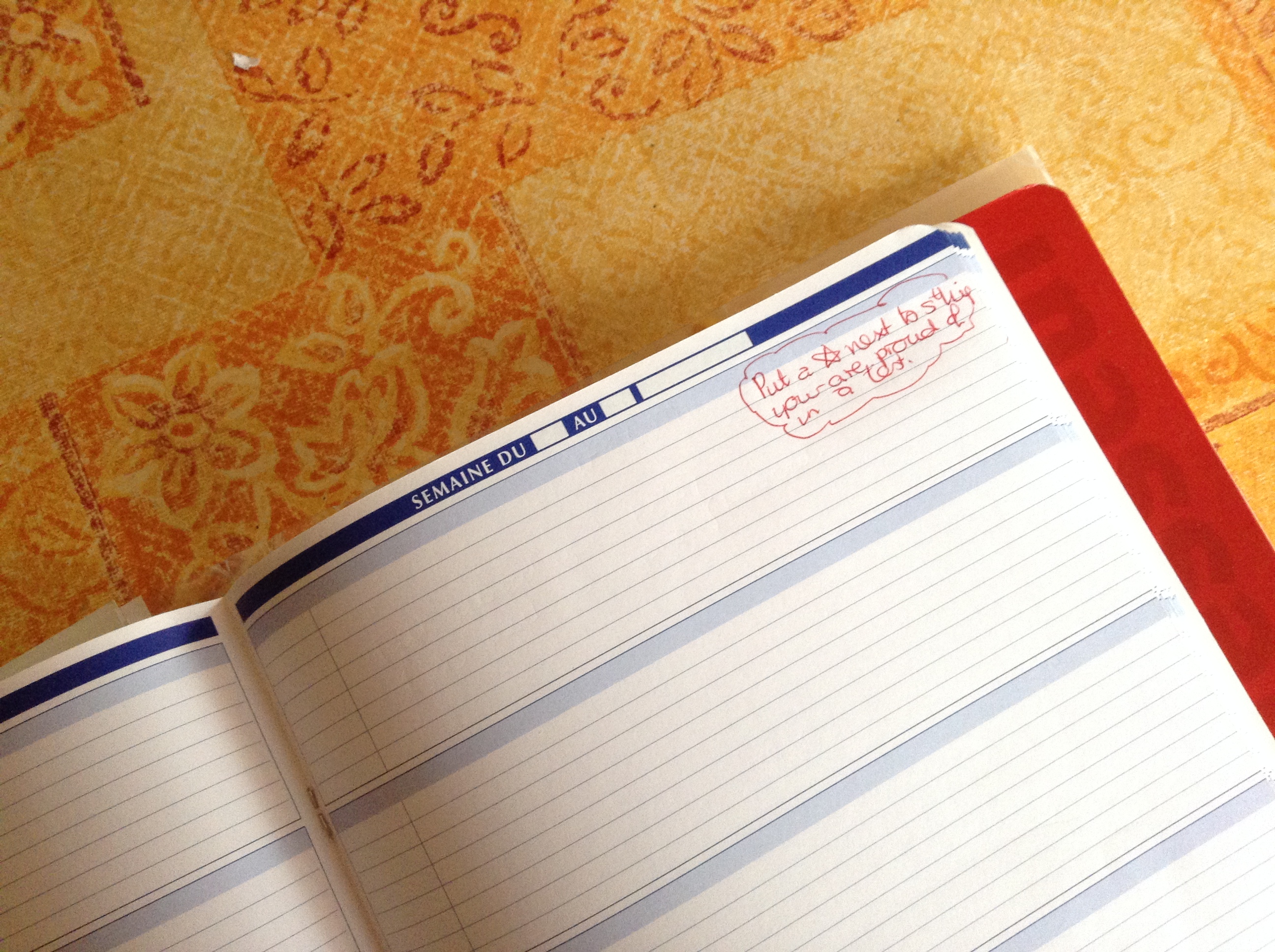
As you can see in the photo above I have a weekly diary/schedule thing where I note down everything done in each class, (including who was absent – don’t try the “I was away when we did that Miss” with me,) and this year I’m writing a buzz idea in the corner where I will see it a million times at least each week.
The plan is that I’ll be able to use it in at least one class during the week, if I use it and it works it will find a slot in my brain, the pupils’ brains, my lesson plans, or at least somewhere.
I’ve stumbled across this hashtag recently and it seems a great way of writing down what I, and probably all of us, have been thinking about at this time of year.
As far as I can see, it goes like this: 13 thoughts about 2013 and 14 hopes & plans for 2014, quite a big number as far as I’m concerned, and it’s only going to get more difficult next year!
It reminds me of something I do every night with my own kids, “best bit, worst bit”, where we give a quick resume of our day before bedtime.
2013
1. M.A. – I started an M.A. TESOL with Sheffield Hallam university. It’s not the first distance learning course I’ve done but it’s certainly the most challenging. I love it! I have always thought learning should be a life long experience and the advantage of studying something work-related is the motivation I take to school every morning as I try out the new ideas I’m reading about.
2. New Classes – after taking on one primary class in 2012 I have taken on another one this year. I love the enthusiasm of this age group, as I get older my pupils get younger and younger and I love that.
3. I started TWO blogs this year, firstly a class one, aimed at my students and their parents. All their lessons and worksheets are uploaded – no excuse for not doing the homework, and work produced in class is available for people to see what we have been up to. There are also links to other sites to help learning.
You are reading the second blog, the objective is to post ideas and reflections, on things that went well in lessons, things that didn’t, and reflections on my learning as I undertake an M.A.
4. I helped set up a monthly lunchtime brainstorming session between language teacher in the secondary school where I work, and more importantly, helped keep it going. Some of my colleagues have been teaching, often in the same school, for years. We are a private school so have no inspections, and many have got stuck in ruts of teaching the same lessons every year. Fortunately, this is not the case for everyone and slowly but surely, things are changing.
5. This year I organised and participated in our school trip to Edinburgh in May. 43 pupils aged 14-19 for four days. A wonderful experience that tested both stamina and positive thinking to the core, but many unforgettable moments shared with some lovely kids.
6. LT – I got an ipad this year and it has just changed my teaching, simple as that.
7. Training – I have been to some great training days and workshops, run by Cambridge, Oxford, and ETAS – the English teachers’ association of Switzerland.
8. More training but this time in the easy-to-digest form of webinars, by Cambridge, Macmillan, Oxford and IATEFL to name a few. Webinars are a godsend to a TEFL teacher miles away from everything and a welcome change to getting up at 4am to get the train to conferences. They are also a very time effective way of keeping up to date in the world of teaching from the comfort of my own sofa while still juggling job, family,etc.
9. Dyslexia & SEN – One of these webinars encouraged me to develop a series of worksheets aimed at colleagues, parents and pupils, full of helpful hints to deal with various SEN, but especially dyslexia. Once again our school moves very slowly and is not keen on doing more than the minimum for pupils with learning difficulties, however I’m pleased to say we’re making progress. I have also started a British council online course and am learning even more about how to help our SEN pupils.
10. This year I prepared pupils for the Cambridge YLE exams for the first time, a great experience and one I’m keen to build on next year.
11.“Appui” -our extra classes on Friday afternoon are nothing new but this year we’ve done some great things. I’m particularly proud of how many pupils volunteered for my football class, the fashion one was popular too.
12. Reading – I do regret not reading as many novels as usual, but books such as How to Teach, The Lazy teacher’s handbook, and 100 ideas have filled my brain and my bag with new ideas for class.
13. Finally, on a personal level, running the Paris and the Lyon marathons, and especially training for them, has kept me sane and full of endorphins during this busy year.
Now for 2014, personally I think 14 New Year resolutions is a bit ambitious, but here goes;
1. Harrogate – my proposal for a TEFL workshop has been accepted at the IATEFL conference this year, as I have never given a workshop before this is very big and scary.
To prepare for Harrogate I have organised to give a workshop in Geneva (my nearest town) beforehand. I hope this goes well and have already put in another proposal for a different event later in the year. If these go well I think workshops will be something I’d like to develop, although teaching teachers is scary I’m always telling my pupils that if it’s not scary it’s not worth doing, and it’s good to get out of your comfort zone every so often.
2. Although I started it last year, I’m looking forward to getting on with my M.A. It’s so interesting and motivating and I just love the way my brain sizzles when I learn something new, do you remember the sweet powder “gold dust” that we ate as kids? It’s just the same!
3. Thanks to the M.A. I will be undertaking an observation project with colleagues, I’m looking forward to this opportunity to learn and work more closely with my fellow teachers.
4. This year I will be preparing pupils for P.E.T. for schools as well as the Cambridge YLE, another learning curve to conquer!
5. I will also be participating in the school trip to Naples, a wonderful excuse to visit some lovely places and get to know the students in a different context.
…so much for future plans, here are my teaching resolutions…
6. I will also continue to get involved with projects such as TES’s A teaching moment in Time. You’ll see my class at 11.11, the pupils thought this was a great idea.
7. Beat my phonology fear by doing at least one phonetics/pronunciation activity per class per week.
8. Use more music in class – at least one song in one class everyday, even if it’s only to set the mood as the pupils come into class.
9. Make the most of our interactive smartboards and plan at least one lesson on the board per week.
10. As part of my teaching journal I will record at least one class a week, either using the camera or voice recordings.
11. I will regularly reflect on classes, at least twice a week, as part of my teaching journal.
12. I will continue to use Learning Technologies in the classroom, and look out at least one new app a week.
13. I will look for an online coaching course so I can support my pupils who are going through tough times.
14. Yet again, preparation for marathons, this year Paris and Geneva will keep me healthy and happy, as well as showing my students and especially my own children that if you want to achieve something you have to work hard for it.
That’s about it for me, last year was busier, next year promises to be more so, but that’s how I like it.
What about you? What does your #nurture201314 look like?
As part of my reading list for my M.A. TESOL I have just finished reading this book.
I found it an interesting and thought provoking read.
The book is split into 12 chapters, including workshops, self-monitoring,keeping a teaching journal, peer observation, action research and more.
I particularly enjoyed the layout, a explicatory text, followed by a ‘vignette’ or case study in which one teacher described their experience of a particular aspect of teacher development. This was followed by a section on reflection, which encourages the reader to do just that.
Although I read the book as part of my research into self- and peer observation for my upcoming portfolios, it has also given me some good ideas about a teaching journal and team teaching.
The chapter on workshops was also very useful as I’m planning to run my first workshops next year.
You’ll be seeing my thoughts on some of the reflection questions in later posts, they seem to be a logical start to my teaching journal.
In the holidays we don’t need to think quite so much about how to stay well enough to go to work, but with the frequent back pain, not to mention all the germs we mix with all day at school, teaching is an “at-risk” profession, with the added burden that the guilt of leaving collagues to deal with 5B for the day make us loathe to take a day off.
So, what is your secret to staying fit for work?
Here’s mine:
The trainers are pretty self explanitory. Not only to I get my best lesson ideas while out on a run, but the endorphin kick is enough to compensate for the hardest day at work.
The gym ball is a recent addition, bought on the advice of a physio I know.
The extra marking that an increased workload has brought on this year and the fact I sit like a hunchback meant I just couldn’t get through that pile without collapsing like a stiff old lady.
Although the running helps my back, it doesn’t get the marking done!
This is where the ball came in, much cheaper than a special “back-friendly” chair, I now sit on it all the time when at the table, and I can really feel the difference.
I also get to bounce, a little like a weeble, which is great fun!
I’ve always had a real phonology phobia and avoided using it in class.
In fact, apart from the odd bit of repetition/drilling I don’t teach much pronunciation at all to be honest.
I’ve always thought, that given enough opportunity to speak, the pronunciation will take care of itself.
Also my opinion is, if I understand you, then it’s good enough, and nothing is more demoralising than someone continually correcting you when you are trying your best to say something, and now you can’t even remember what it was you wanted to say, and now you think about it you don’t actually feel like participating anymore either, so there.
It has taken me about twenty years to realize that the reason I think this is that this is how I felt/feel about learning French.
Or at least I did until I finally bit the head off my poor husband for correcting me once too often in the middle of a dinner party.
Now he doesn’t correct me anymore, nobody who knows me does.
And I have a rubbish accent. That has shown them all.
So, now I’m finally coming round to the idea that phonology may have a place in my classroom, but where?
I feel uncomfortable teaching phonology, I think my experience has given me confidence in all areas of my teaching, except of course phonology – which is understandable because I have no experience in teaching it.
My first M.A. assignment was about phonology, and I survived, in fact almost enjoyed the activities I did in class to complete the assignment.
I have also realized that I understand my pupils because I’m so used to listening to them, but that doesn’t mean all other English speakers will.
So I have decided to sign up to 30 Goals for Educators (see Teacher Reboot Camp and #30GoalsEdu) and teaching a phonology activity in every class once a week will be one of my teaching resolutions for 2014.
Now, I just have to find 36 activities for 6 levels of classes! That’s where YOU come in handy, answers in the comments box please!
I got my mini ipad earlier this year, after resisting the call of the apple for years I finally caved in.
I’m so glad I did, it has changed my teaching.
Since, I have become more aware of LT (Learning Technologies) in the classroom and I now use my ipad in every class.
Here are some of the things I use it for:
1. I update the online homework diary seconds after the homework is set, no excuse for not noting it down ( I also let the pupils use their smartphones to photo the board, so even fewer excuses).
2. I photo the board and upload it to my other blog – fabenglishteacher.com, which is aimed at my pupils. This makes an instant revision resource, and parents can see what we’ve been up to.
3. I film the pupils in class and immediately upload their films to my youtube account (with theirs, and parents’ permission of course):
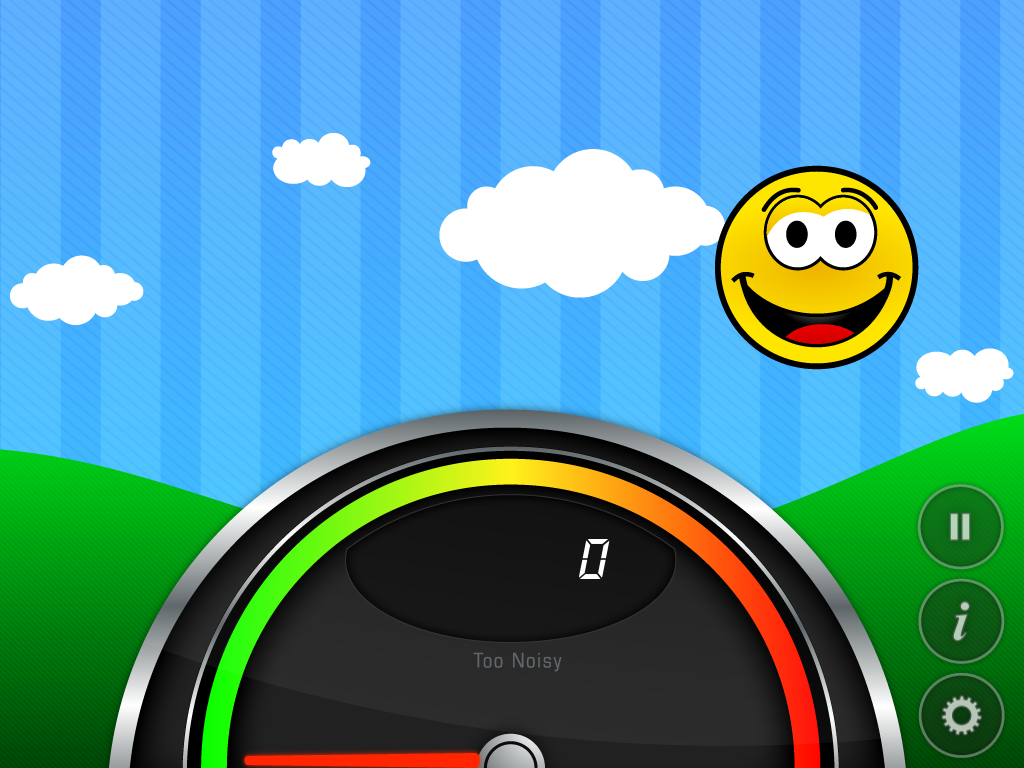
4. Some of the apps I love include Too Noisy – an app which lets the pupils see when things get too noisy –
Sock puppets, a great app for “filming” the pupils but avoiding all internet safety or shyness issues-
Other apps include Stop Go! Which has traffic lights to time activities.
Story Cubes are great fun for getting the pupils thinking, and Story maker is fun too.
I use the Grammar in Use apps to help pupils who want extra revision exercises, Boggle is a cool filler, but I must admit I think the most useful, especially for my younger pupils is Bitsboard.
This app allows you to photograph (or upload images) objects, record you saying the word, and then make flashcards, and games using them. A fantastic way to learn and recycle vocabulary.
5. As well as the apps we use google and wikipedia almost everyday to find the answer to some question that has been asked in class.
As with any technical resources, the secret is of course, to use the resource to fit into your lesson, and not the other way round.
I was proud to see my bag made it into this TES article.
Who would have thought that such a disorganised mess would have interested anyone?!
I found it fascinating reading about everyone else’s bags though.
What’s in yours? Do you carry about as much “rubbish” as I do or do you travel light?
I have tried to get rid of some stuff, if only for the sake of my right shoulder and the hunched back I’m developing, but I can honestly say, I use nearly all of it at least once a day in one class or other.
A very interesting lesson today for the 3ème class (average age 14/15).
I introduced the next activity, a dictation and then played them the text that was on the course book CD. It was tough, and fast.
After a couple of listens I had already noticed that about a third of the class was having a pens down strop/strike.
Next step, a two minute brainstorm in pairs on strategies to succeed this task, which came up with the following:
1. Write down key words
2. Record the CD with our phones
3. Take it in turns writing phrases with partner
I then played the recording once more and gave them 15 minutes to complete.
After five minutes I could see that I still had four pupils still on strike, so I asked them to note down why they thought this wasn’t a good exercise and what we should do instead. They replied:
– Even Valseska (American pupil) thinks it’s too fast, that says it all.
– You can’t call it a dictation if you let us work with neighbours/record/use dictionaries etc.
– There’s no point in doing it if we can’t write all the phrases
As the bell rang, most had finished and we’ll check it (well they will) with the text up on the whiteboard next lesson.
What would I change?
In retrospect I shouldn’t have said it was a dictation, that really threw some pupils, who clearly thought I wasn’t playing by the rules.
We should have looked at strategies before listening.
Perhaps we could have ellicited keywords from a first listening and written them on the board.
I must admit that I’m still surprised that such a lively group found this exercise so hard, and had such trouble “thinking outside the box”. nobody suggested copying the best pupil in the class, or stealing a look at the teacher’s book, or using a spellcheck.
Was I unfair? Not giving any goalposts when they assumed we were playing a federation standard match?
How can I encourage independent learning in a postive atmosphere when I know some of them feel that I “desert” them when I refuse to cave in and spoonfeed the answers?
We have just reached the end of the first term, this means many things.
End of term exams, reports, frayed tempers and tears (and that’s just the staffroom!).
It also means sweeties!!
After a few years dithering about “forgotten” homework, books chewed by granny, essays left at the dog’s house, etc. I have come up with a simple solution.
Every term I generously offer my pupils two jokers in case of homework breakdown or book disappearance.
After these two “get out of punishment” cards have been used up ( they are virtual – there’s no black market trade in my jokers, I just note the date they use them up in my markbook,) then it’s detention, no discussion, no negotiating.
It’s interesting to see what happens next, a few will always use them up in the first week. A couple of perfectly behaved girls will get their first ever detention from meany me, but in general the system works – probably because it’s fair, and the same for all.
At the end of term however, I “buy” back these jokers in exchange for a sweet, – no hogging a potential 6 jokers and doing no homework at all for the last month!!
I also give a sweet for each 20/20 mark the pupils got during term.
We have a lovely school, with a very positive learning environment. the kind of school where when a pupil gets 20/20, or makes a lot of progress, he gets clapped by his classmates – and not kicked in.
Even so, I may modestly claim the jokers & sweets policy maight just contribute to this.
In any case, it’s worth it to see the look on Jan’s face as he is allowed to eat 10 sweets in the middle of English class while being applauded by his friends.
Just in case you’re wondering about Mr No-sweets, once the deserving have got their “prizes”, every pupil in the class gets a bonus sweet for being fantastic!







 Fab English ideas