What I learnt at IATEFL 2016

There’s nothing like a few days with several hundred English teachers to motivate me & get the ideas flowing.

To ask my students “STOP-START-CONTINUE”, what do you want me to stop/start/continue doing?

Birmingham is a great place for a conference:IMG_6302

I want to start vlogging with students, I must get familiar with and use imovie maker or something like that, – any suggestions?

And maybe do a “Humans of…” series like the Humans of New York series.

I have pile of apps  & sites to check out; voice thread, newsela (which provides current affairs articles of varying difficulty), fotobabblemove note,  and tons more. A lot came from a great forum on apps in ELT, and a fab talk from the great girls at elttechlessons.weebly.com.

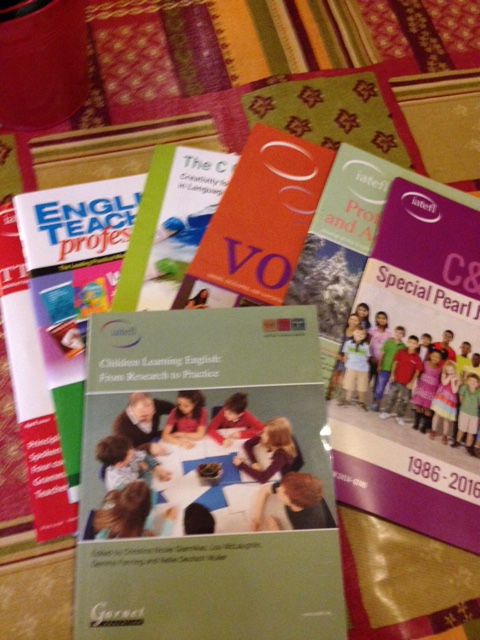
I have a pile of books to add to my must-read pile;

Image-1

And a pile of magazines and freebies to look through;

IMG_6371

I must download the British Council publication “Creating an Inclusive Learning Experience for English Language Learners with Specific Needs”

How to get a cabbage, a goat and a wolf across a river (and something for Monday!).

A load of great spelling ideas from Anette Igel.

To look out for EU projects like PopuLLa, CLOHE, and others.

A load of other stuff that I need to think about.

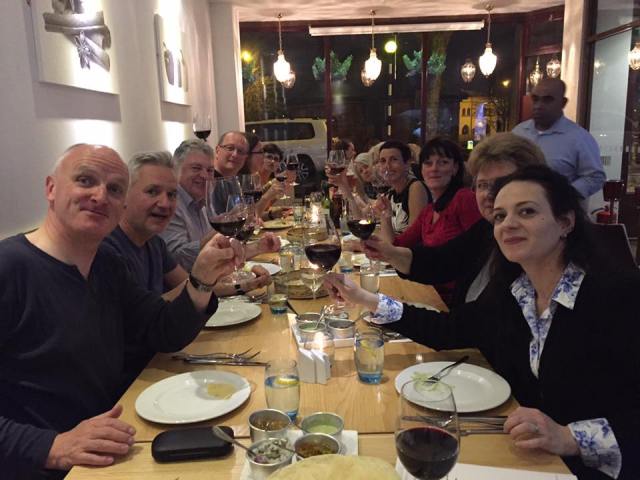
And most importantly, that “your vibe attracts your tribe” and I’m lucky enough to have some wonderful conference buddies who are doing some fantastic things:

IMG_6299

not to mention the fantastic ETAS team!

12985547_1144482252253435_542527338751902657_n-2


Posted in Conferences, Fab ideas | Leave a comment

Vocabulary cards

The final dissertation of my Masters TESOL with Sheffield Hallam will be on the subject of Vocabulary Learning Strategies. Every week we will be studying different ways of learning vocabulary.

Today we wrote vocabulary flip cards (with L1 translation on the back), after reading them out loud and testing themselves, the students tested their partner.

  
Then students classed the words, this week’s list was about food so they put them in order of their favourite to least favourite:

  
For homework the students have to read and test themselves regularly. Already some have mentioned they like learning this way, we’ll see what the reults say in the vocabulary test next week!

Posted in Vocabulary Learning Strategies | 2 Comments

How to use Storytelling in the classroom

Once upon a time there was a group of teachers who were wary of using authentic story books in the classroom. They complained about everything. To start with, they said the vocabulary wasn’t of the bland, pre-packaged variety found in ELT books, the students wouldn’t understand it. (Yes they will.)

The subjects are archaic they howled, The Elephant and the Bad Baby is even older than us, and features a grocer’s and a barrow boy. ( The details may date, but the themes are universal.)

Stories even have the gall to use language we haven’t yet presented in class, they moaned, or that doesn’t even exist, like “fee fie fo fum”( When reading  about the aforementioned elephant and baby “going rumpeta-rumpeta-rumpeta down the road”, not one pupil asked me what it meant, not once, ever.)

Also the teachers worried about financing these new projects, one book won’t be enough for the class. (Yes it will.)

The teachers were afraid pupils would find stories babyish. ( I’ve read Giraffes Can’t Dance to a class of 15 year olds and they loved it, some were in tears.)

This is not the place for the WHY of stories, but the HOW, so here are some suggestions:

  1. How to incite Interest

When I come into class with the story bag (a funky shopping bag in which I put all the realia, worksheets, books and stuff we use in story time) the whispering and nudging starts.


  1. Write the title and ask the students to predict keywords or the whole story.
  2. Show an object and ask about its part in the story
  3. Show an image from the story and encourage comments
  4. Write up Key words (or vocabulary you want to pre teach, ask students to make sentences using the words.
  5. Draw the new vocab on the board, then read the words out and ask the students which word they think refers to which picture.

2. How to keep up interest

Many people suggest a comprehension activity to ensure students pay attention, but I’ve never found this necessary, and I think it detracts from the whole storytelling activity, we don’t give our kids sheets of words to check of while we read to them at night.

  1. Stop frequently and ask questions – Who? What? Where? and most importantly Why do you think? and How do you know that?
  2. As for updated predictions as the story develops
  3. Use gestures and mimes – this helps the students follow, and will help them recall the story later.
  4. Ask the students to “read” along, especially the parts that are repeated, “Oh Grandma, what …. you’ve got”.
  5. Be really mean and plan your lesson so the end of the lesson falls at a crucial moment, for example ” The elephant stopped and said you’re a bad baby because…” Homework can be to guess the ending.

3. What to do once you’ve read it

The hardest thing can be keeping up interest after the end of the story. That’s where post-reading activities come in.

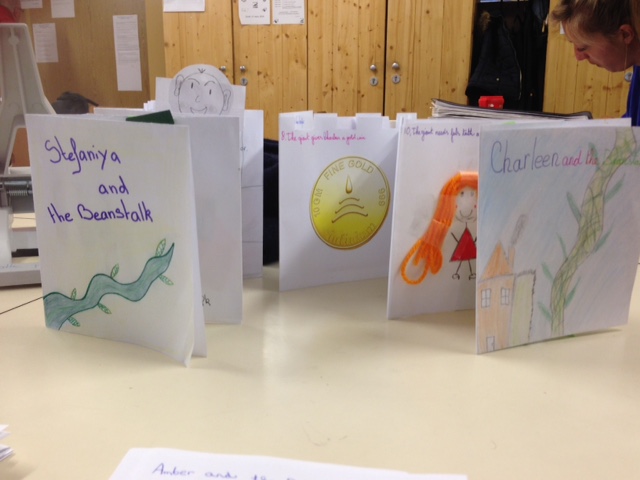
  1. Make a book,they don’t have to be long, or rectangular either.IMG_5726

The idea for this one came from the fantastic British Council publication “Tell it Again”, which you can download for free.

2. Depending on the story, pupils can write a letter, recipe, instruction list to accompany the story.

3. Make a story box

4. Draw a map of the location.

5. Encourage personalisation and individualisation by allowing students to make their own versions.

6. Write the sequel.

5. Make a film or a short play.

7. Invent a new character and his role in the story, or imagine you were in the story, what was your role? Did you meet Little Red Riding Hood in the wood? Did you see Jack swapping his cow for the magic beans?

Resources

There are loads of resources available. The British Council has tons of stuff on traditional and less known stories, and www.gruffalo.com has loads of great activities too.

The teachers took some of the ideas above and added them to their own amazing creations, and everyone lived happily ever after.
 

Posted in #YL, Creativity, Fab YL ideas | Tagged , | 1 Comment

Creativity: what and why?

Today I wrote the introduction for the special supplement of ETAS’ summer journal on the subject of CREATIVITY.

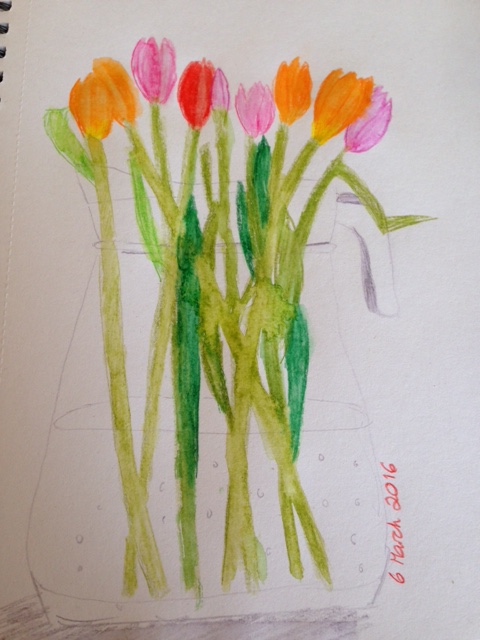
To help me I’ve read around the subject, joined the C group and even discovered my own creative outlet:

IMG_5668.JPG

As you can see, it’s writing, not painting!

To answer the questions of what and why I went straight to my most useful source – my students.

What is Creativity?

“It’s original ideas”

“It’s a way to express yourself”

“It’s doing things differently”

And my own favourite, “It’s a way of expressing your personality and feelings”.

Why is creativity important in language classes?

“It’s a fun way to learn a language”

“When you learn language in different ways it’s easier”

“The brain memorises what is interesting and extraordinary better”

and again my personal favourite, “life would be boring without it”.

For me, creativity is like learning, it’s a place where I can lose myself in flow, feel my neurone sparkle like spring water and feel that I am really living, not just going through the motions.

As a famous teen once said:

imagesferris-quote_small


Posted in Creativity | Leave a comment

Story Box 

The other day I was talking to a colleague who said “there’s nothing new in efl”. I didn’t agree, and told her about the wonderfully original story boxes we have created with my primary class…

  
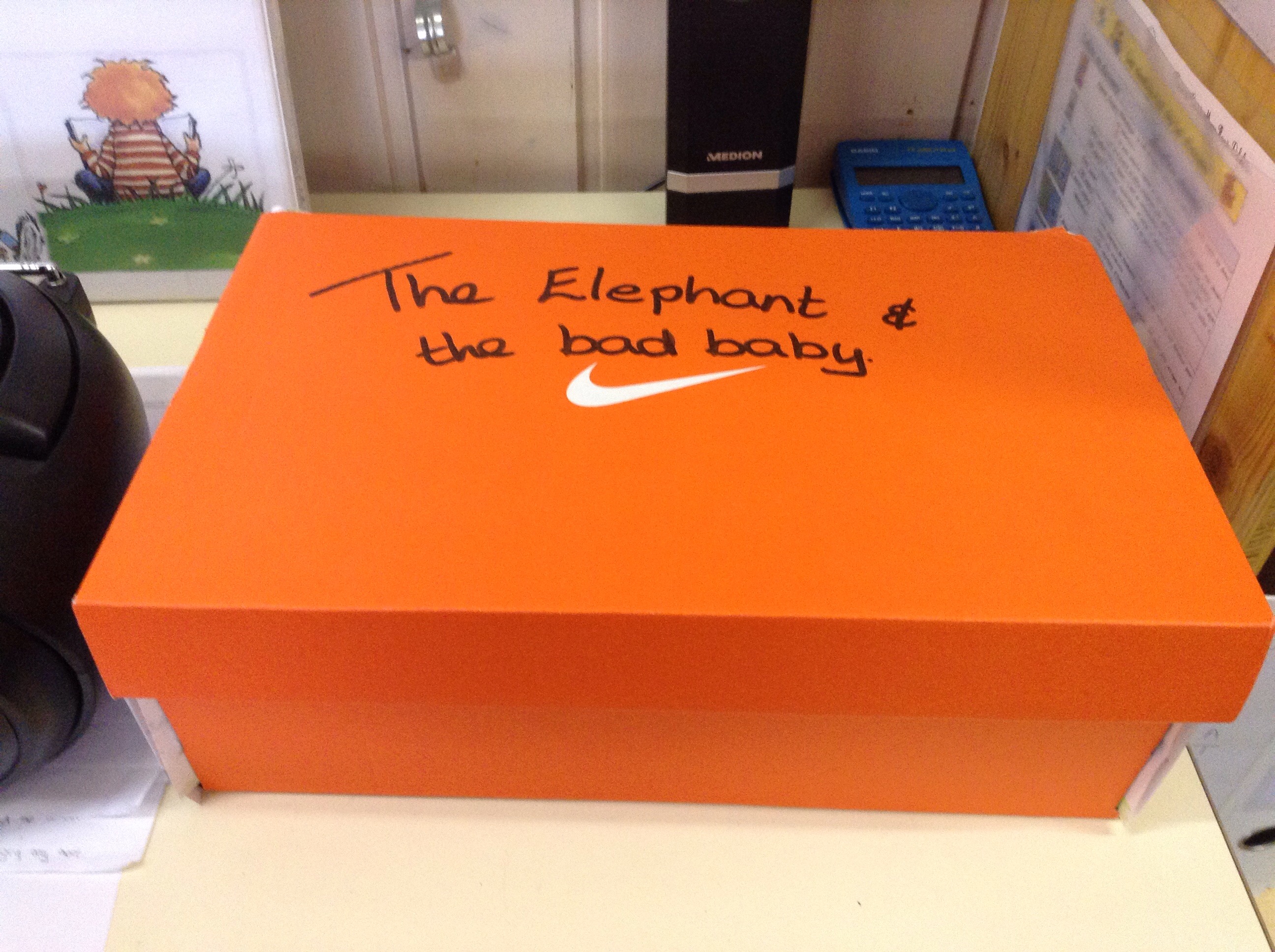
They look like a simple shoe box, but inside…

  
…but inside they are are world of magical adventure. 

“Oh”, she replied, “I’ve seen those on a website”.

Posted in Fab ideas, Fab YL ideas, Uncategorized | 1 Comment

February To-Do list

Less of a to-do list than a “food-for thought list” but last weekend was spent in the company of hundreds of motivated, enthusiastic tecahers – heaven! As always after a conference I come home with my head full of ideas, things to look up, and motivating memories.

While all this is still spinning through my brain, here are some thoughts:

From the delightful Jane Revell I learnt to call “tenses” “relaxes” and to avoid the word text, referring to story, article, letter instead. I loved her ideas on predicting the UNKEY words of a text, those that will NOT appear in a text, as well as the key words.

Jane mentioned Wendy Cope’s poem ‘the Orange’. I was given a book of her poetry many years ago and I love seeing echoes of my life in other people’s talks.

I also enjoyed hearing Nadine Stair’s poem ‘If I had my life to live over’. I don’t think I’d change much. On a similar theme the next day we were asked during Paul Dummet’s keynote speech “if you didn’t have to work again, what would you do?” and I truly believe my answer would be “go to work”, aren’t I lucky? (or sad?!)

Finally Jane reminded us of the 7 habits of highly effective people:

  1. Be Proactive
  2. Begin with the end
  3. Put first things first
  4. Think win/win
  5. Seek first to understand/listen, then to be understood/speak
  6. Synergize/Collaborate
  7. Sharpen your saw

Interestingly Paul Drummet’s address had the 8th habit as its title –Find(ing) your voice. Paul’s advice to producing a good TED speech sounds like good advice for life:

-be passionate

-be informed

-be yourself

Thanks to him I have a couple of TED talks to share:

Rita Pearson’s “Every Kid needs a champion” and Dan Barber’s “How I fell in love with a fish”.

His quote from James Comer, “ no significant learning takes place without a significant relationship” spokes volumes to me, and I’ve also been advised to watch the film “Precious”.

I particularly enjoyed Chrissi Florides’ workshops on the subject of creativity – this is my theme of the year, it’s following me (or am I following it?) and I was lucky enough to interview Chrissi for the upcoming ETAS journal special supplement –so watch this space.

I have finally decided I must learn German, all this gadding about Switzerland would be so much easier, although the magnificent views more than make up for the time it takes to get home.

FullSizeRender.jpg


Posted in to-do lists | Leave a comment

Ready, Steady, Cook!

IMG_5300

Ingredients:

various utensils nicked from home

a bunch of empty cartons from the recycling box

a pile of toy fruit & veg

a pinch of suspense

lashings of students

Method:

1.Explain to students how the TV programme Ready, Steady, Cook works (basically someone comes on with a bag of ingredients, cook must make dish, audience vote on favourite dish), or show this youtube clip.

2. Take out your utensils & “ingredients”, elicit vocabulary, add cooking verbs, i.e. what do you do with a whisk? a saucepan? etc. Note on board if necessary. (Plan B would be to prepare a worksheet with exercises such as matching utensils & verbs etc.)

3. Give pairs 10-15 minutes to prepare their recipe.

4. Groups present their recipe to the class, we had one talking while the other carried out the actions.

5. Optional – class laughs hysterically as we realise teacher hasn’t completely rinsed out milk bottle when student pours it all over the table!

6. Class vote for favourite recipe, this pair win the usual laminated diploma, this time with Ready, Steady, Cook logo.

Posted in Creativity, Fab ideas, Fab YL ideas | Tagged | Leave a comment

January to-be list

You may have noticed a slight change in title for this month’s list, again it’s an idea I pinched of the internet, but in the name of all things January and New Yearish I thought this year, instead of a list of things to do as resolutions, I would BE instead.

  1. BE BRAVE

IMG_5092

I saw this sign in a shop in London last summer and often look back on it. While I stepped out of my comfort zone in 2015 I want to leap this year, I’ve been in my present job for nearly ten years and it’s time for a shake up…I’m not sure what or how yet, but watch this space for news!

2. BE OBSERVANT

IMG_5084.JPG

This year I plan more walks in the park and I want to take the time to look around, not just at flowers but also at the people around me.

3. BE ORGANISED

IMG_5259.PNG

I’m always dashing around, sending emails without the necessary document attached, not checking dates and over-booking, this year I plan to slow down, spend more time on the details and more importantly, organise my time better.

4. BE REFLECTIVE

The French have the expression “se remettre en question”, to question oneself, and this is an essential part of me and my teaching. How sad if each experience was isolated, and didn’t lead to improvement in other domaines. Unfortunately not everyone I work with feels this way and that is why I will have to add a couple of actions to my list:

5. BE PRESENT

I’m too hyperactive to get into meditation and mindfulness, although it would probably do me the world of good. However reading a book by Shona Rhimes (which I wouldn’t recommend by the way, but that’s my opinion) I came across the idea of 15 minutes.

Shona’s point was that when her children wanted her attention and she was too busy with something else,15 minutes isn’t much really, but it’s often enough.

She has a point, no matter how busy you are, you can spare 15 minutes for a friend who needs to chat, a child who wants help, often it takes even less, but by offering those minutes you can really be there.

So, that’s my to-be list for this year, what’s yours?


Posted in to-do lists, Uncategorized | 2 Comments

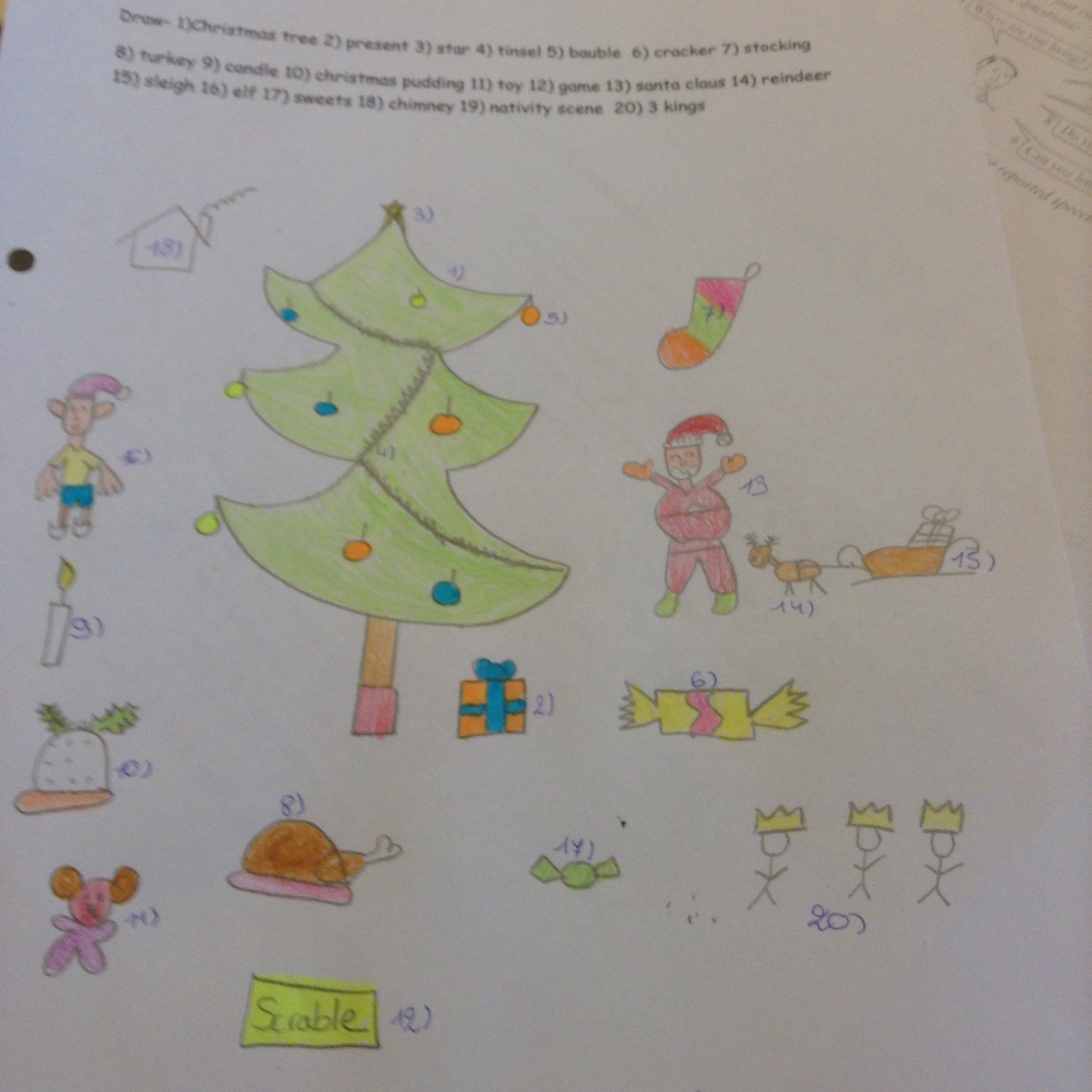
The last vocab test of the year

What sort of teacher gives a test on the last lesson of term? A very mean one, that’s who!

However I’ve never had any complaints about this one, and the results are usually pretty good!


Posted in Fab YL ideas | Leave a comment

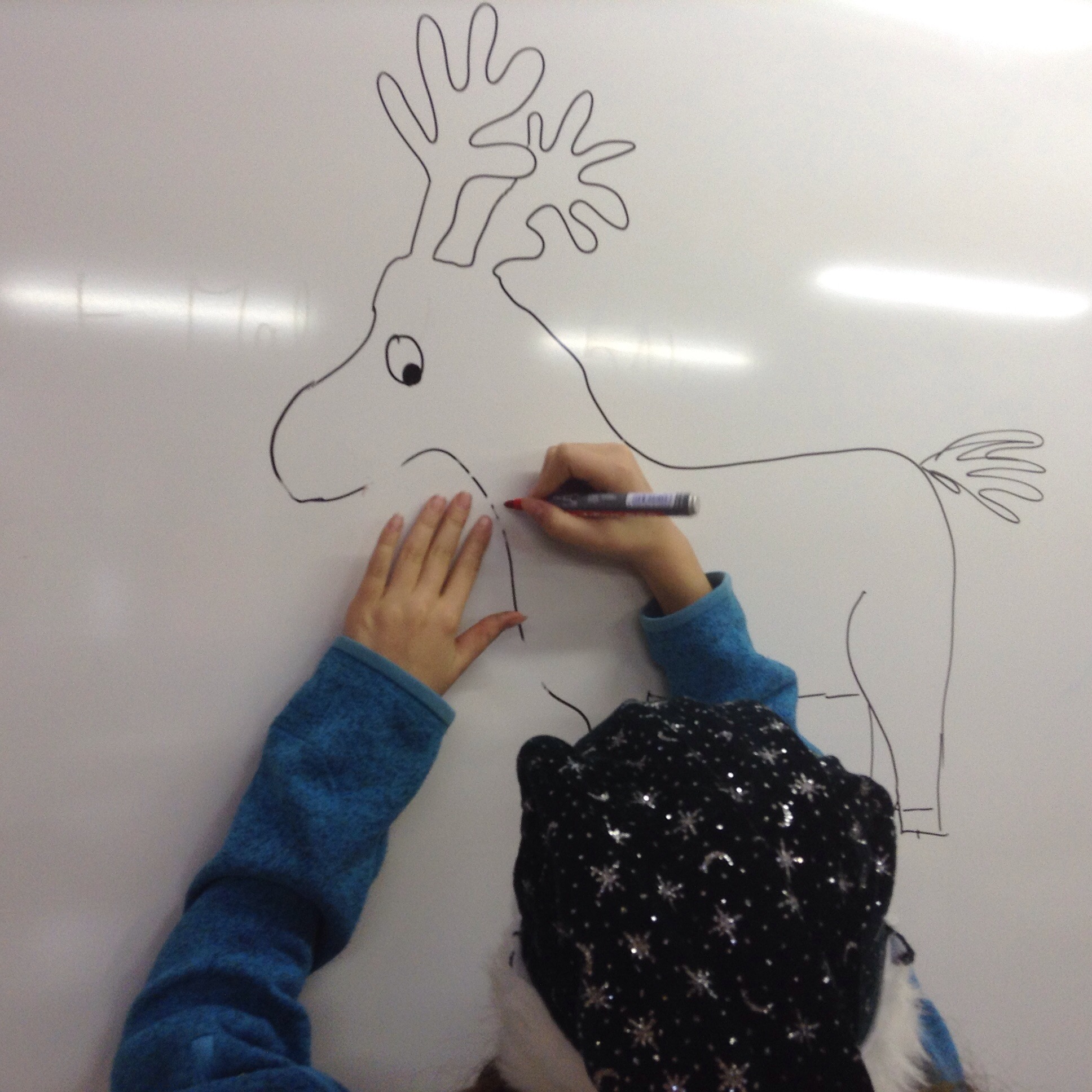
Pin the nose on the reindeer

I found this idea on twitter (sorry, can’t remember where), the pupils loved it!


Posted in Fab YL ideas, Uncategorized | Leave a comment