Tweet what you’ve learnt

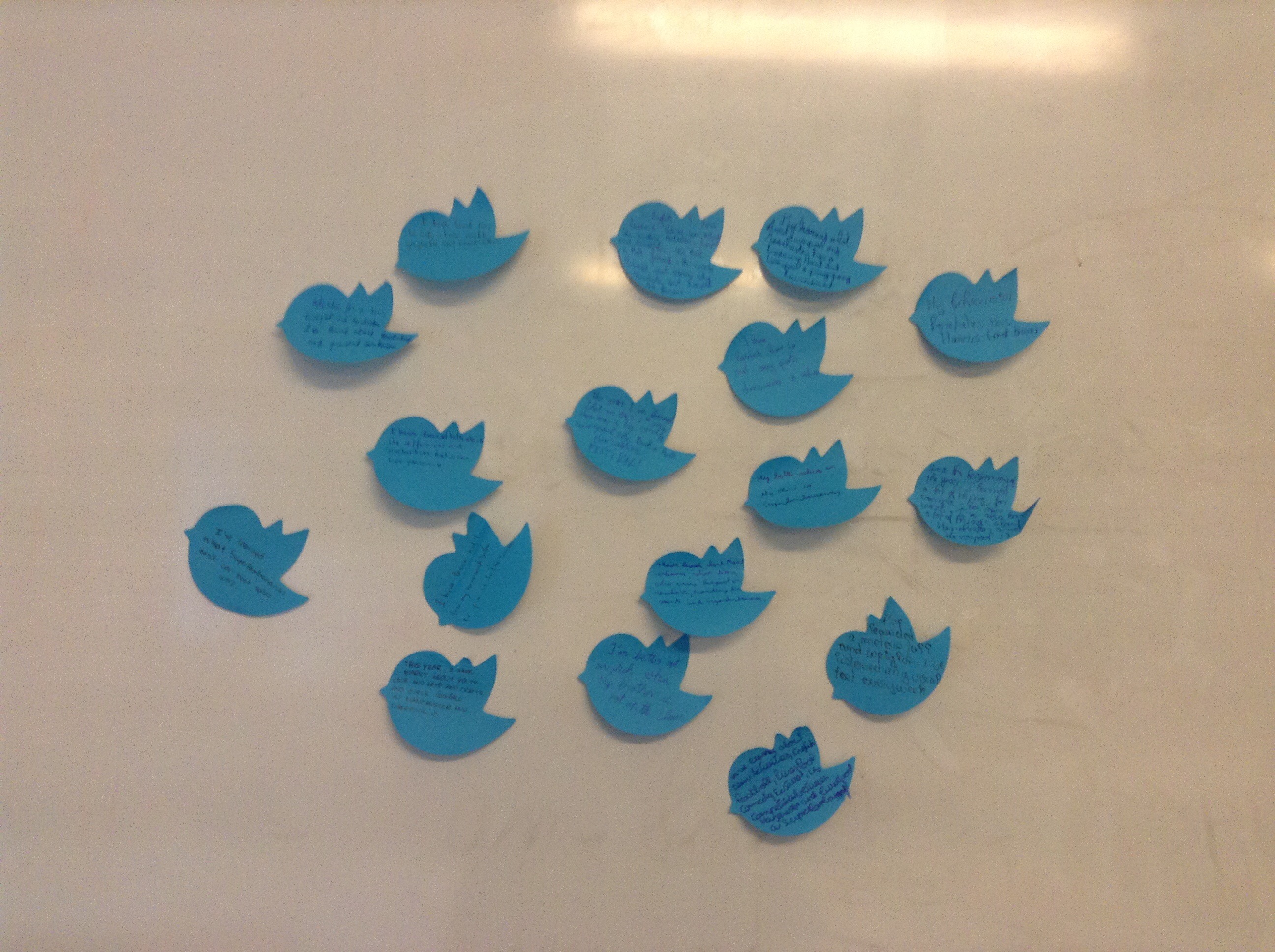
I like doing this activity at the end of a unit, I ask all the students to write a tweet (140 characters max!) about what they learnt, what they found difficult or a question they have concerning the work they have done. Sometimes we tweet it or sometimes the students write on these fun stickers I bought:


This way they can read each other’s tweets too.

Another end of unit activity I like is for each student to write a question on the board, and then they each go back up and answer someone else’s question. I find students teaching each other a very powerful tool, or maybe I’m just getting lazy!

Posted in Fab ideas | Leave a comment

A reflection on the first month back

img_7631

So, we’ve been back to school for a month now, and I finally have time to sit down and think about it. Here, in no particular order are a ramble of those thoughts.

  1. OMG It’s so hard and tiring!!

I probably feel this way every new school year, but this time it was really a shock to the system, maybe as I was particularly busy this summer writing my dissertation for an M.A. TESOL (I passed!) when I should have been preparing lessons as some fool (me!) decided to change the course books for nearly all my classes in the same year.

Also my new timetable means back-to-back teaching all day on both Monday and Tuesday – a challenge for my lack of organisational skills.

The cherry-on-the-cake was falling ill, I don’t do poorly and a bad sore throat has put me in a bad mood all week and certainly hasn’t been helped by parents meetings.

2. Time goes so quickly!

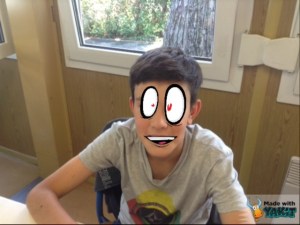
I had all these plans to do loads of cool stuff and haven’t managed half of it. That’s not to say we’ve done nothing. A fantastic workshop by Joe Dale @joedale at the recent ETAS PD day gave me loads of fun ideas, like livening up that boring “present yourself” exercise at the beginning of the year using the yakit kids app on the ipad.

faf03532-9e7f-46d7-9e0a-9a3795cc94d7

3. I get more out of conferences when I present a workshop

I don’t know why, maybe I get more of a buzz, but the recent ETAS conference was the first  event I’ve been to in a while where I wasn’t presenting and it wasn’t the same. Saying that it was great to link up to some good conference buddies like the amazing Dina Blanco-Loannou and the aforementioned Joe.

4. I need to take time for me

I’m a better teacher when I sleep lots, eat well and run. It’s simple but I forget it too often. Oh and I need to read and have a laugh with friends more often too.

5. It’s worth putting in the preparation time

Probably in all areas of life, but with my packed timetable the best way to get through the week is by spending Sunday (and part of Saturday this week!) planning. That’s not the hardship it might sound because I actually enjoy planning and finding resources and fun stuff to do in class.

6.I love learning

Since finishing my M.A. (which felt like putting the final lick of paint on the Forth bridge!) I’ve signed up to a couple of future learn courses and one on coursera.

And finally, it’s not just about me! How has your “rentrée” gone? Drop me a line and let me know.


Posted in Blethering, survival tips | 3 Comments

Inclusive Practice news

I’m very excited to be on the acting committee of the brand new IATEFL SIG – IP&SEN (Inclusive Practices and Special Educational Needs).

As well as a chance to work with some highly qualified and very motivated people, it also gives me access to the resources and support that I need.

What I find particularly interesting is the work being done to support physical disabilities as well as learning difficulties. That’s why I was so pleased to come across Braille and lip-reading versions of the Cambridge exams here.

If you’re interested in joining then you can do so in the members’ area at IATEFL  or for more information, follow us on Facebook. As I said, we’re very new, so a little patience concerning the website is in order!

Posted in Special Educational Needs | 2 Comments

News from the Beachfront

Just in case you were wondering where I’d got to, here’s the latest!

  1. Busy with end-of-year stuffFullSizeRenderAlthough I HATE marking ( a strong word for a very strong feeling!) getting little notes like this makes it all worthwhile. The end of the year is a tough time, and it’s important to remember what makes it all worthwhile. despite the drain I often find this time of year leaves be buzzing with ideas for September – more of which later!

If you’re looking for a couple of projects for next year then check out the celebrations for Roald Dahl’s 100th birthday , this website sends a great ressource pack. There’s also this great project involving Ulysses and the Odyssey, set up by the wonderful Justin Bell  who I found on twitter.

2. Celebrating!

IMG_6674

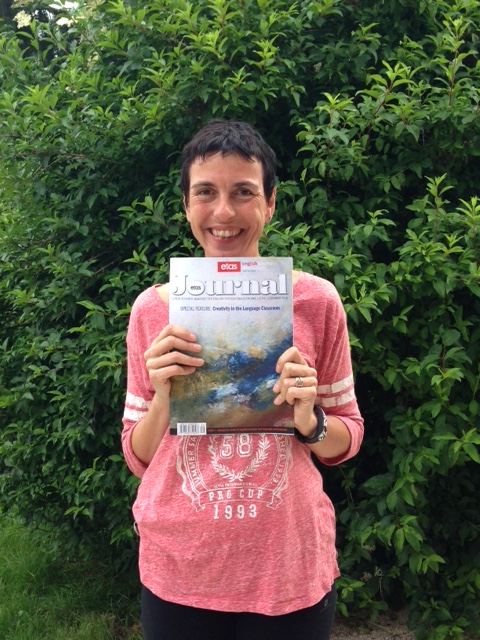
Geneva ETAS was guest editor on this summer’s special supplement of the ETAS journal, the subject was Creativity. This year long project has been a fantastic opportunity to link up with some fantastic educators and learn some amazing things.

3.Working on my Masters’ dissertation

This is becoming a kind of love-hate relationship, it’s the frog in my day, and while I’m looking forward to life post M.A. TESOL, I’m also wondering what I’ll do with my time, maybe another course, although I have made strong promises/threats to myself NOT to start anything before at least January, as I’ve plenty to keep myself busy.

4. IATEFL IPSEN SIG

My, what a lot of initials! Basically this is the new IATEFL Special Interest Group on Inclusive Practices and Special Educational Needs where we try and help teachers work towards a more inclusive education for all students. We’re just starting out and busy looking into the world of newsletters and websites, but you can find us here and I’ll be keeping you informed.

5. Realaxing!

IMG_6612

It’s been really hard for me to let go this summer, but I now realise that I can’t, and shouldn’t work all day, even if I have a ton of stuff to get through. If you’re anything like me, you’ll never get half-way down that to-do list, so make sure “chill-out” is task number three (or four maximum) of the day, you’ll regret it come September if you don’t!

One way to do this would be to attend EDUFEST, this looks utterly amazing and I have thought long and hard about going, howeverI’ll just have to look forward to next year’s edition – where I’ll be the first to put my name down!

Another is to catch up on reading (I’m on book 7, week 4), a great place for ideas is #teacher5adayread.

Whatever you’re up to this summer, and please let me know, have a FAB one!

Posted in Uncategorized | 2 Comments

Lego oral activity

My students really enjoyed this activity, although they did find it challenging.

You need:

-a blindfold per pair or per student if possible.

– some lego, about seven pieces per student, and the same pieces for each pair.

Instructions:

-One student is blindfolded.

-his partner creates a construction using all the pieces.

-the “seeing” student then describes his construction so that his partner can recreate it.

Alternative:

-Both students are blindfolded.

-the teacher creates a construction and gives it to one of the pair.

-this student must then feel and describe the construction so his partner can copy it.


Posted in #YL, Creativity, Fab ideas | Leave a comment

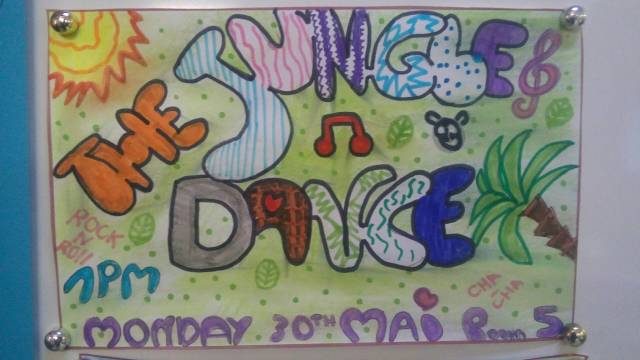
Jungle Dance

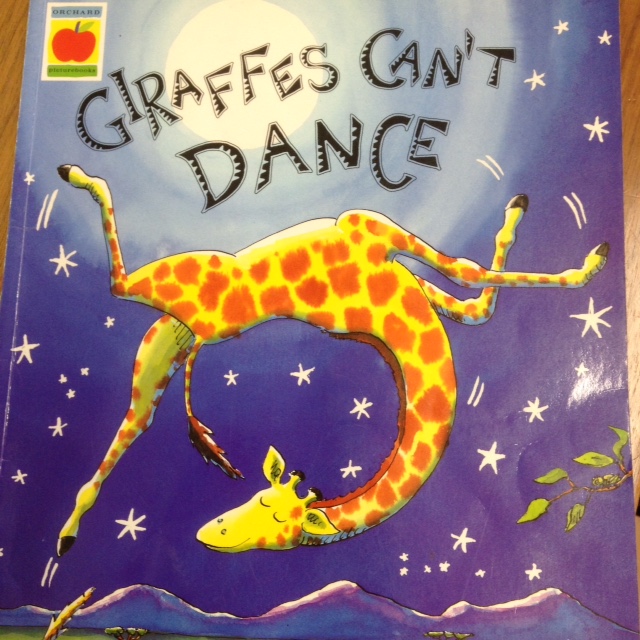
We have been reading ” Giraffes Can’t Dance” this week,

FullSizeRender.jpg

I love this book, it has a great “moral”:

EVERYONE CAN DANCE, WHEN YOU FIND MUSIC THAT YOU LOVE!

Not only did we study jungle animals, but as all the animals dance to different types of music, we also looked at the waltz, cha-cha, tango etc.

If you don’t know it, the story is a great lesson in being different.

I found loads of ressources, including these, so we made our giraffes;

C2C5984D-0A24-47EE-9ADF-45FFE3ECAF52.JPG

Then of course we held our own jungle dance;

IMG_6624

All the animals were invited;

IMG_6616

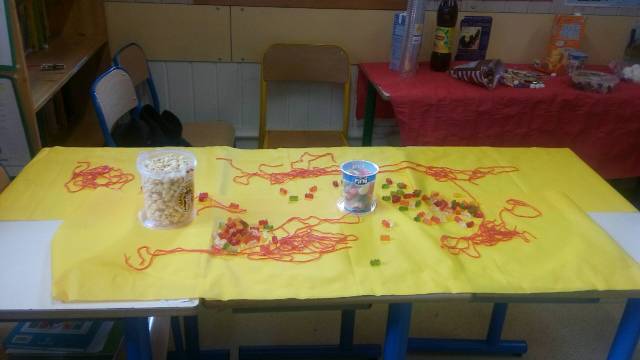
We ate jungle snacks like worms and crocodiles;

IMG_6620

and we played lots of jungle games;

IMG_6626

As you can see we played Pin the tail on the giraffe;

IMG_6623

As well as “Guess the roar” – a blindfolded student had to listen and guess which classmate “roared”.

We also played my favourite classroom game; Sleeping Lions!

IMG_6618

We all really enjoyed ourselves and learnt lots of fun things. (And of course the advantage of having animal masks is that our teacher could safely take and publish lots of photos of us;)

IMG_6621


Posted in #YL, Fab YL ideas | 1 Comment

Stop sexism in ELT coursebooks!

Look at the picture below and write the profession for each person:


How do you know the profession of the person in the bottom left box? – Because she’s a woman of course. All the others are men, we couldn’t have a female surgeon after all.

This kindo of stereotype is rife, in chapters on jobs especially, but also sneaking into hobbies  and every other topic -no female skateboarders or footballers, the computer nerd is always a boy, and the person interested in healthy food is always a girl.

BORING!

Posted in Blethering | 2 Comments

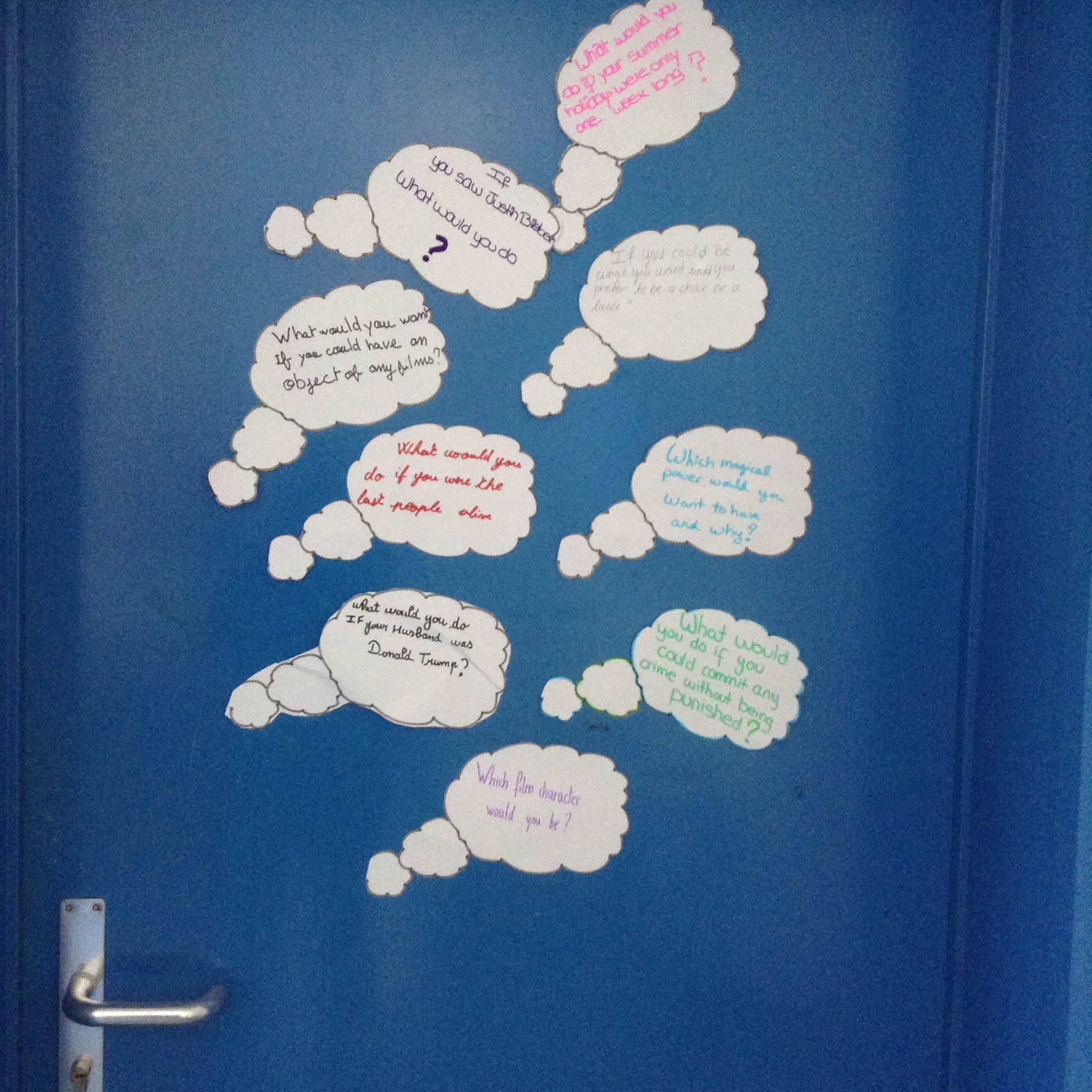
What would you do if….?

Revising conditionals is a great opportunity to ask some amazing questions, and as usual it’s the students who have all the best ideas…

Posted in Creativity, Fab ideas | Leave a comment

Collaborative Revision

Sometimes before a test there’s nothing to do but get through a pile of practice exercises. This is never particularly motivating, and that’s even more the case when it is grammar, especially the present perfect.

However…


…there’s something quite powerful about doing revision exercises in groups. Students have to work through their thought process to explain their answer to their neighbours, and by doing so reinforce or question their decisions. It not always the stronger students that lead the discussion, in fact I find the contrary to be the case.

I have also noticed that students often understand better when something is explained by another student rather than by myself, this doesn’t say much about my teaching!

As I write this I’m listening in on a great learning moment between a couple of students who are deciding whether I have “still forgotten” the German I learnt at school. 

I still think that there is a place for teacher- led correction, and I see that my students still expect me to “give” the final answer, but by letting them work it out first I have given them the opportunity to discover exactly what they understand first.

Saying that, one student has just asked me if Aristotle is still alive, so I guess there’s still a place for me in the classsroom!

Posted in Blethering, teaching journal | 2 Comments

Some Ideas on differentiating homework

It’s hard enough to get homework right at the best of times. It’s the end of the lesson, school policies (and parents!) call out for it, kids loathe it and you end up wasting half your next lesson working out who has done it or not (I’ve done the first part, that means I’ve done it, doesn’t it??)

Best practices suggest it should be used for practice, preparation, study (for tests etc.) and extension, which covers just about everything, after all if it’s in English then it’s practice, isn’t it?

The challenge is getting it right for all the different students in the class, bearing in mind their abilities, strengths and styles. Something that everyone can succeed at, but at the same time stretches them – not too much, but just enough.

And while we’re at it, why not make it interesting?

Collaborative homework:

A good idea that Chrissi Florides talks about in her article in the upcoming ETAS journal. Now they’re all chatting all night on social media, get them to do their homework together – they are anyway! This can include vocabulary or solution brainstorming.

BUT – remember not all your students like working in groups or have access to social media on a school night. AND bear in mind, that asking for “as many words as you can think of” might mean staying up to 2am to do just that for some students  (those on the autistic scale for example) so something along the lines of “as many…. in twenty minutes” will be fair for all.

Photos to prepare for Oral:

Not all students with learning difficulties see oral activities as the soft option, short-term memory difficulties can make speaking difficult, so ask students to take photos to spark discussion in class the next day. For example ask your students to take a photo of the fridge and tell you what is (or isn’t) in there next lesson.

Don’t Talk – DO

Often we spend a lot of time in class talking about everyday actions, so ask students to do them, and think about the English phrase as they do it, or again – take photos. One of my favourites is when my class learn about chores and I ask them to do a couple at home and take a photo – parents love this one too!

Thinking Journal

Ask your students to stop a couple of times a day and think through what they’ve done in English.

Many of these activities may seem a cop out for some teachers, but in my opinion they’re no worse than the homework activities the students copy from the class swot 5 minutes before class starts, or those gap fills they complete with the first word that comes to mind – because then when the teacher passes round the class it looks like they’ve done something. At some point we have to trust them to take responsibility for their own learning.
Posted in Blethering, Special Educational Needs | Leave a comment